The Magical Orange Vegetable! Carrot Benefits and Calories : The Health Secrets of Beta-Carotene
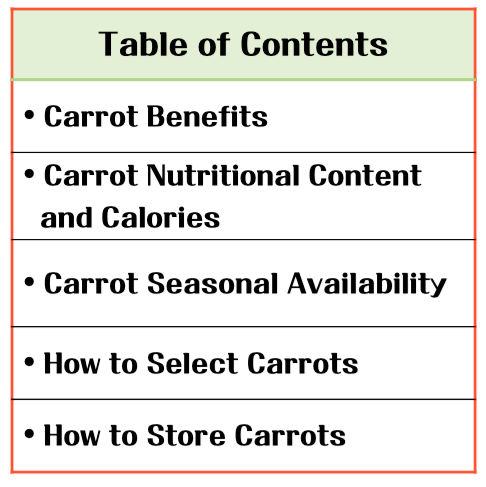
The Magical Orange Vegetable! Carrot Benefits and Calories : The Health Secrets of Beta-Carotene post, we will delve into the benefits, nutritional content, calories, seasonal availability, selection tips, and storage methods of carrots, the magical orange vegetable.
To summarize carrots in a single sentence:
“The power of beta-carotene and the health secrets of an orange vegetable.“
Carrots were first cultivated about 5,000 years ago in the regions of Iran and Afghanistan. Initially, they were not orange but came in purple, white, and yellow colors. It wasn’t until the 16th century that Dutch farmers developed the orange carrot to honor the royal family, which soon spread worldwide and became a beloved healthy vegetable on many people’s tables.
We’ve summarized the benefits, nutritional content, seasonal availability, and selection tips for carrots in an easy-to-understand format with illustrations and charts.
Let’s explore each topic together.
Carrot Benefits
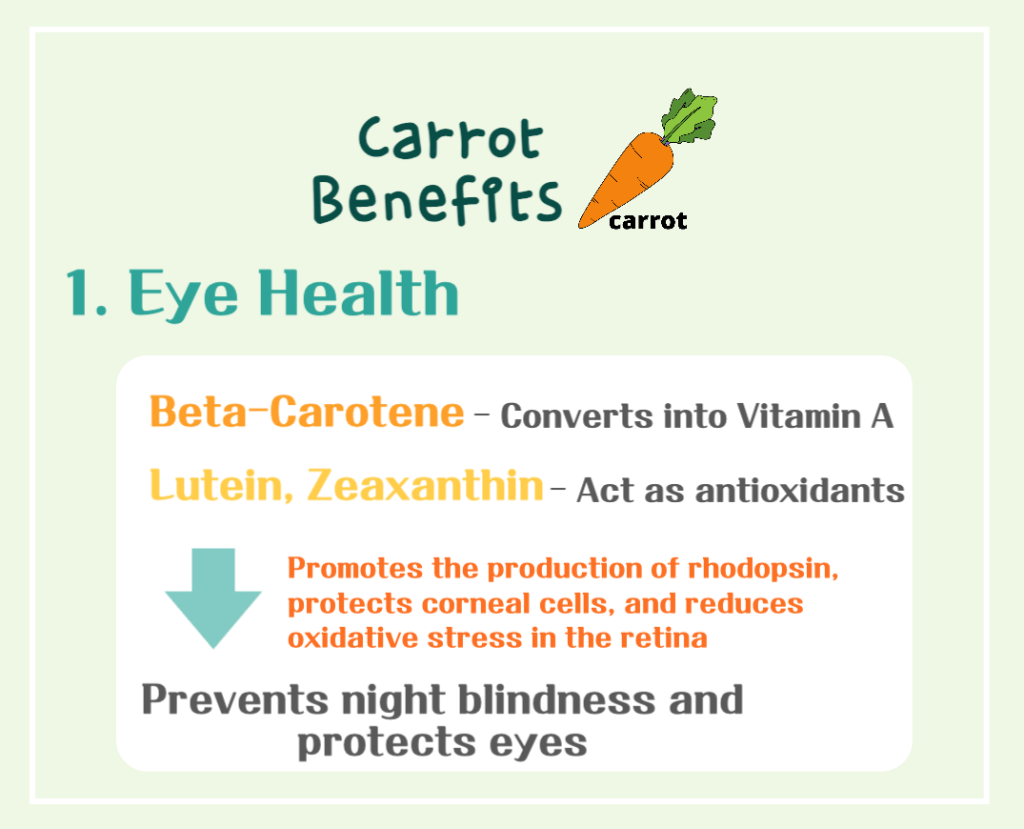
1. Eye Health
– Carrots are rich in beta-carotene, which is converted into vitamin A in the body, helping to prevent night blindness and protect vision. Additionally, lutein and zeaxanthin act as powerful antioxidants, reducing oxidative stress in the retina, protecting eye cells, and preventing age-related damage.
※Beta-Carotene: Converts into vitamin A in the body.
※Vitamin A: Essential for rhodopsin in the retina, helps prevent night blindness, and protects vision.
※Lutein, Zeaxanthin: Powerful antioxidants that reduce oxidative stress in the retina, decrease blue light-induced eye fatigue and damage, and protect retinal cells from
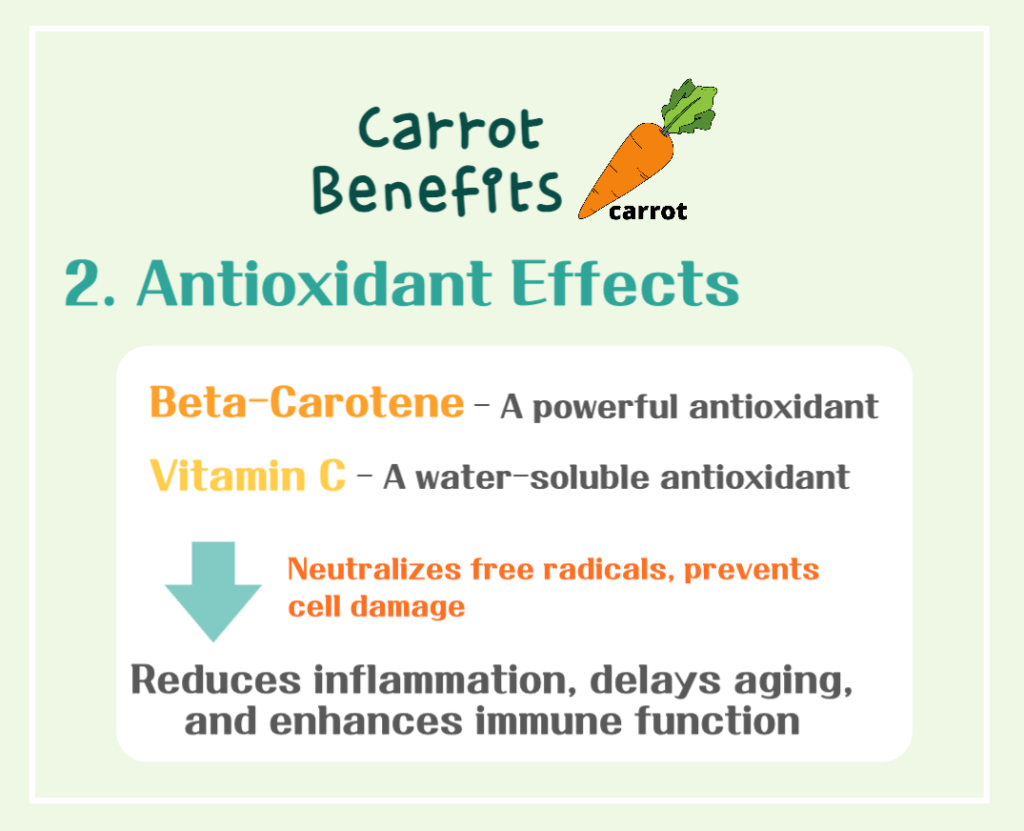
2. Antioxidant Effects
– Carrots are rich in antioxidants like beta-carotene, vitamin C, lutein, and zeaxanthin, which neutralize free radicals, reduce inflammatory responses, prevent cell damage, and delay the aging process, enhancing resistance to various diseases.
※Free Radicals:Naturally generated during oxygen metabolism, excessive accumulation can damage cells and tissues.
※Antioxidants:Neutralize free radicals, protecting cells and tissues.
※Beta-Carotene:A powerful antioxidant that helps reduce oxidative stress in the retina.
※Vitamin C:A water-soluble antioxidant that neutralizes free radicals in the cell’s watery environment.
※Lutein, Zeaxanthin:Concentrated in the retina and macula, reduce oxidative stress caused by blue light.
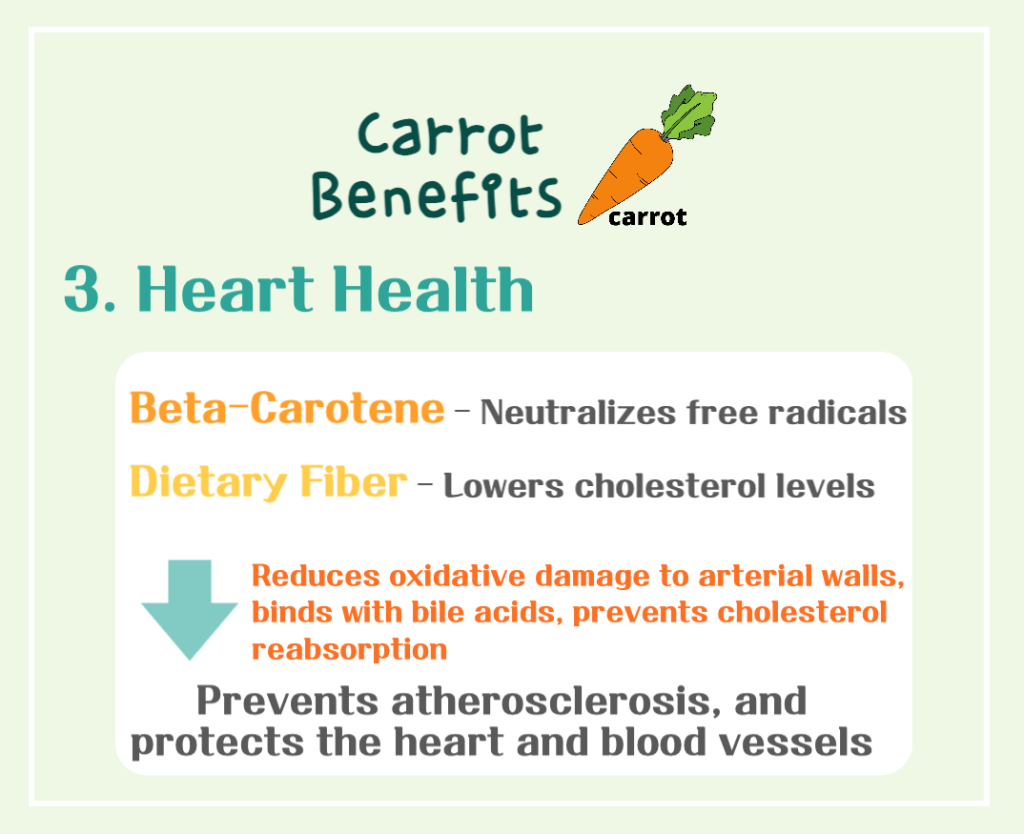
3. Heart Health
– Carrots are rich in beta-carotene, which reduces oxidative damage to arterial walls, and dietary fiber, which plays an essential role in lowering cholesterol levels, helping to prevent atherosclerosis and promote cardiovascular health.
※Beta-Carotene:Neutralizes free radicals and reduces oxidative damage to arterial walls, helping prevent atherosclerosis.
※Dietary Fiber:Prevents cholesterol absorption in the small intestine; soluble fiber binds with bile acids to block cholesterol reabsorption, reducing LDL (bad cholesterol) levels.
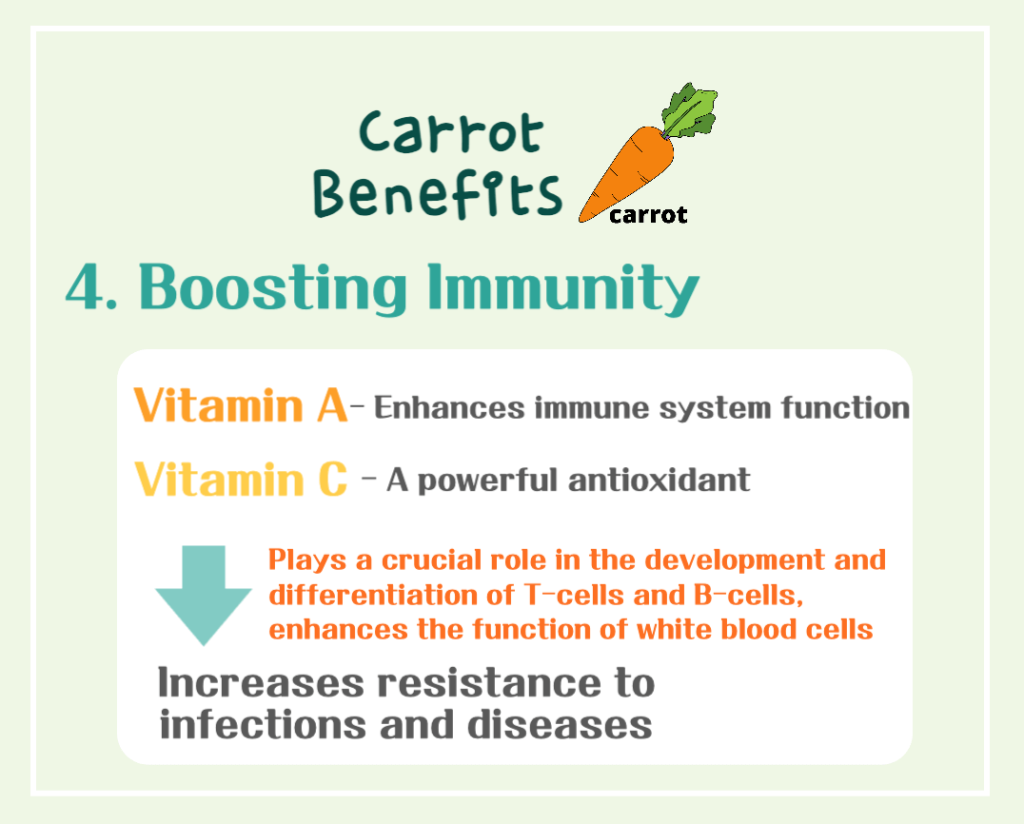
4. Boosting Immunity
– Carrots are rich in beta-carotene, which converts to vitamin A, and vitamin C, a powerful antioxidant, both of which strengthen the immune system and enhance resistance to infections and diseases.
※Vitamin A:Essential for the development and function of immune cells, important for T-cell and B-cell development and differentiation, and maintaining healthy mucosal tissues.
※Vitamin C:A powerful antioxidant, enhances the function of macrophages and neutrophils, promotes lymphocyte production, and regulates immune responses.
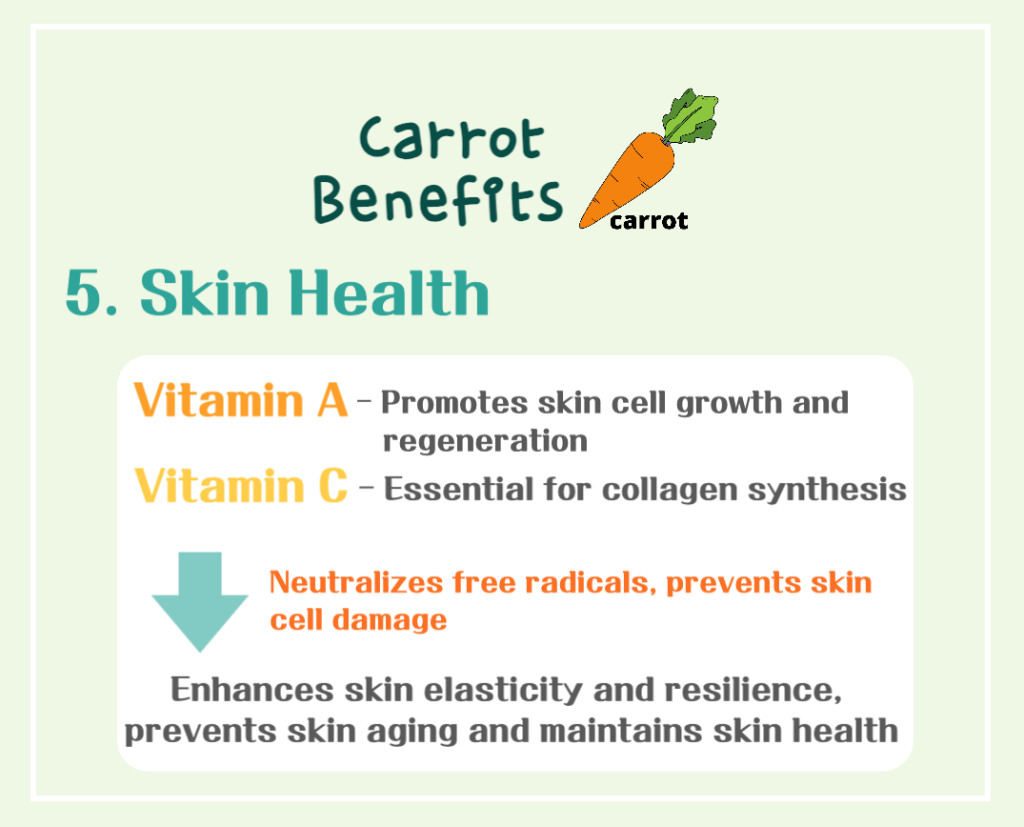
5. Skin Health
– Carrots are rich in vitamin A (converted from beta-carotene) and vitamin C, essential for collagen synthesis, which promote skin cell growth and regeneration, prevent skin damage, delay aging, and enhance skin elasticity and resilience.
※Vitamin A:A powerful antioxidant that neutralizes free radicals, prevents skin cell damage, delays aging, and prevents wrinkles.
※Vitamin C:Neutralizes free radicals, essential for collagen synthesis, promotes collagen formation, and enhances skin elasticity and resilience.
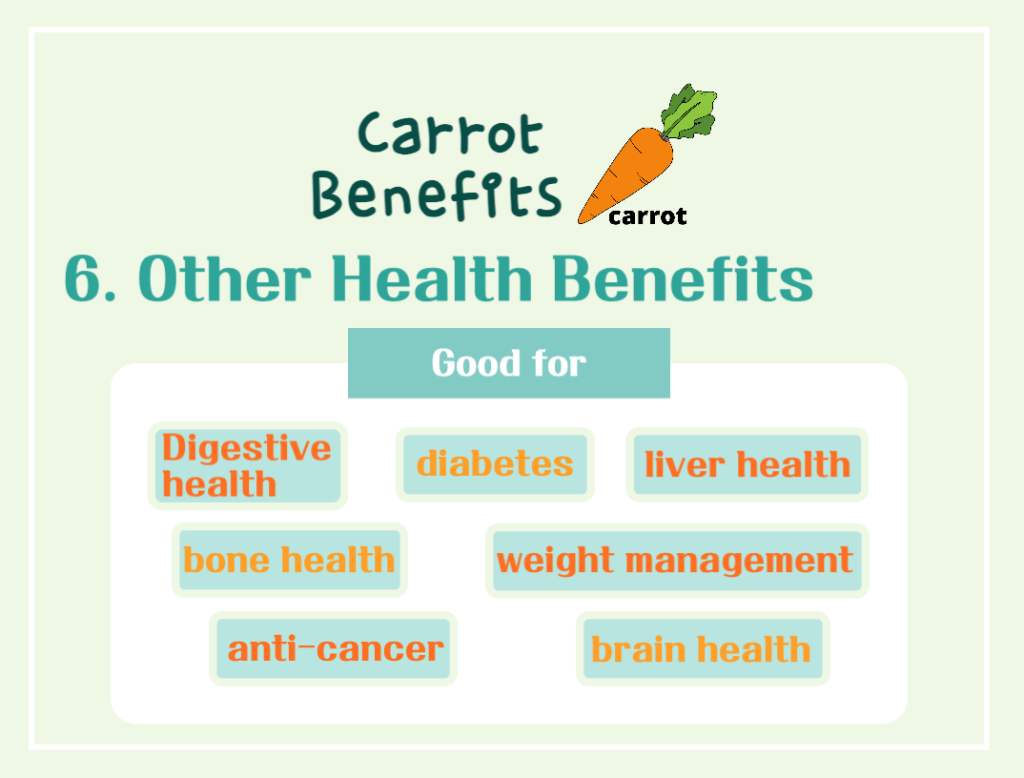
6. Other Health Benefits
– Other Health Benefits:Digestive health, diabetes management, liver health, bone health, weight management, anti-cancer properties, brain health.
※Digestive Health:The abundant dietary fiber in carrots promotes bowel movements, prevents constipation, and supports the growth of beneficial gut bacteria, helping maintain a healthy gut environment.
※Weight Management:Carrots are low in calories and rich in dietary fiber, aiding in weight management and promoting healthy eating habits.
※Bone Health:Carrots contain vitamin K, which helps synthesize bone proteins, maintaining bone strength and improving bone density.
※Diabetes Management:The dietary fiber in carrots slows carbohydrate digestion, preventing a rapid rise in blood sugar levels.
※Liver Health:Vitamin A in carrots helps remove fat from the liver and supports liver function, aiding in detoxification.
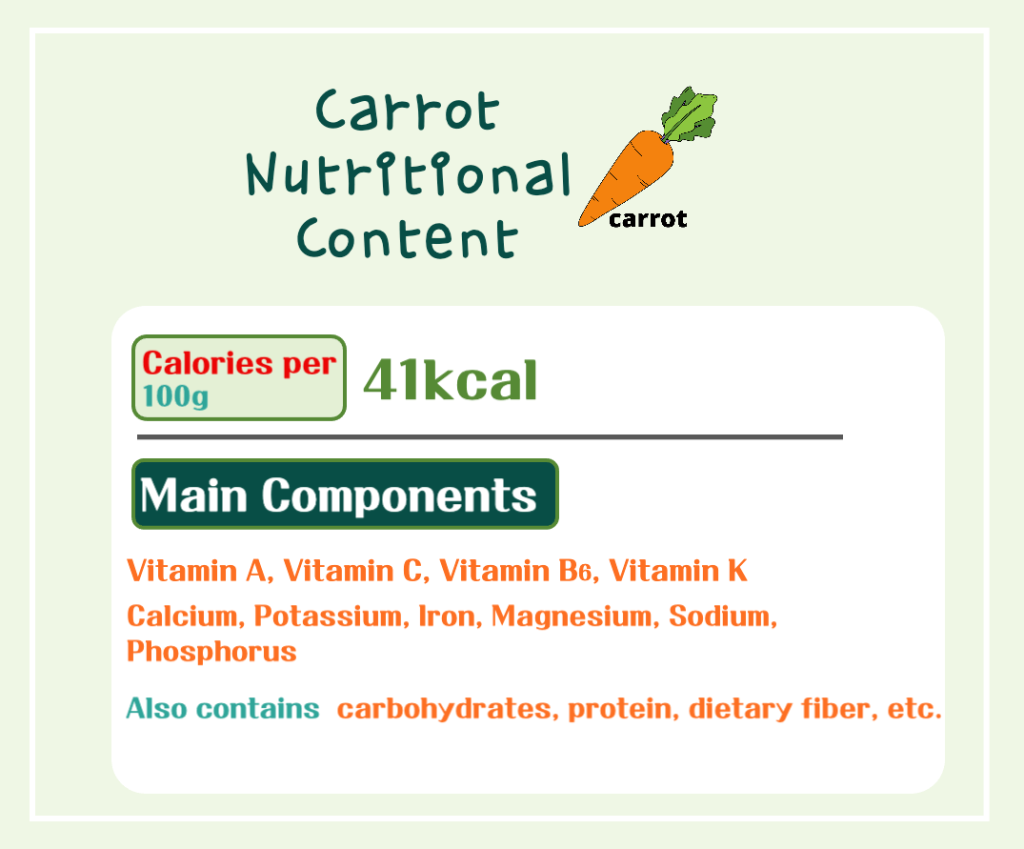
Carrot Nutritional Content and Calories
– Carrots contain 41 kcal per 100g.
– Carrots are a low-calorie food that provides a wealth of nutrients such as vitamins A, C, K, potassium, and dietary fiber, offering various health benefits.
Carrot Seasonal Availability
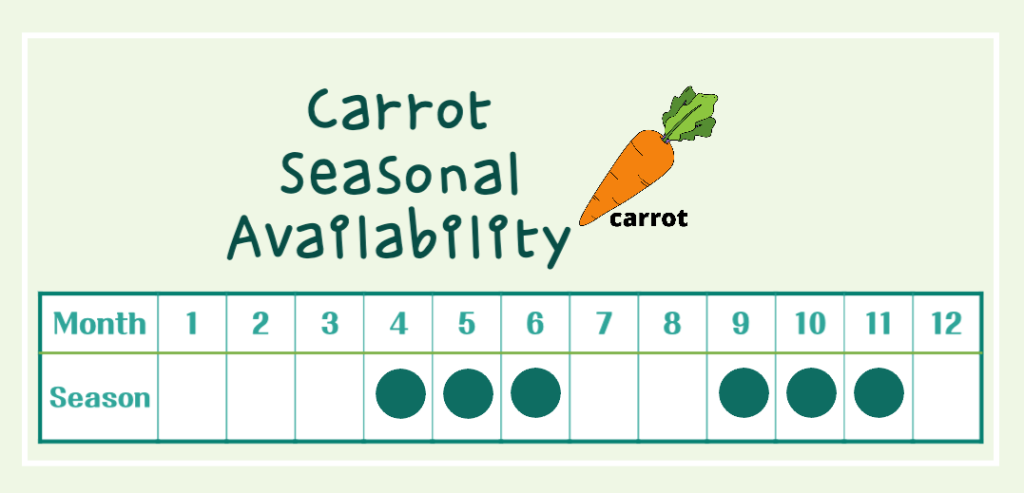
※Season:The best season for carrots is in spring (April – June) and fall (September – November).
– Spring (April – June):Characterized by a soft and sweet taste.
– Fall (September – November):Known for high sweetness and firm texture, and excellent storage quality for keeping fresh during winter.
※ Although carrots are available year-round thanks to various cultivation methods, carrots in their peak season offer superior taste and quality.
How to Select Carrots
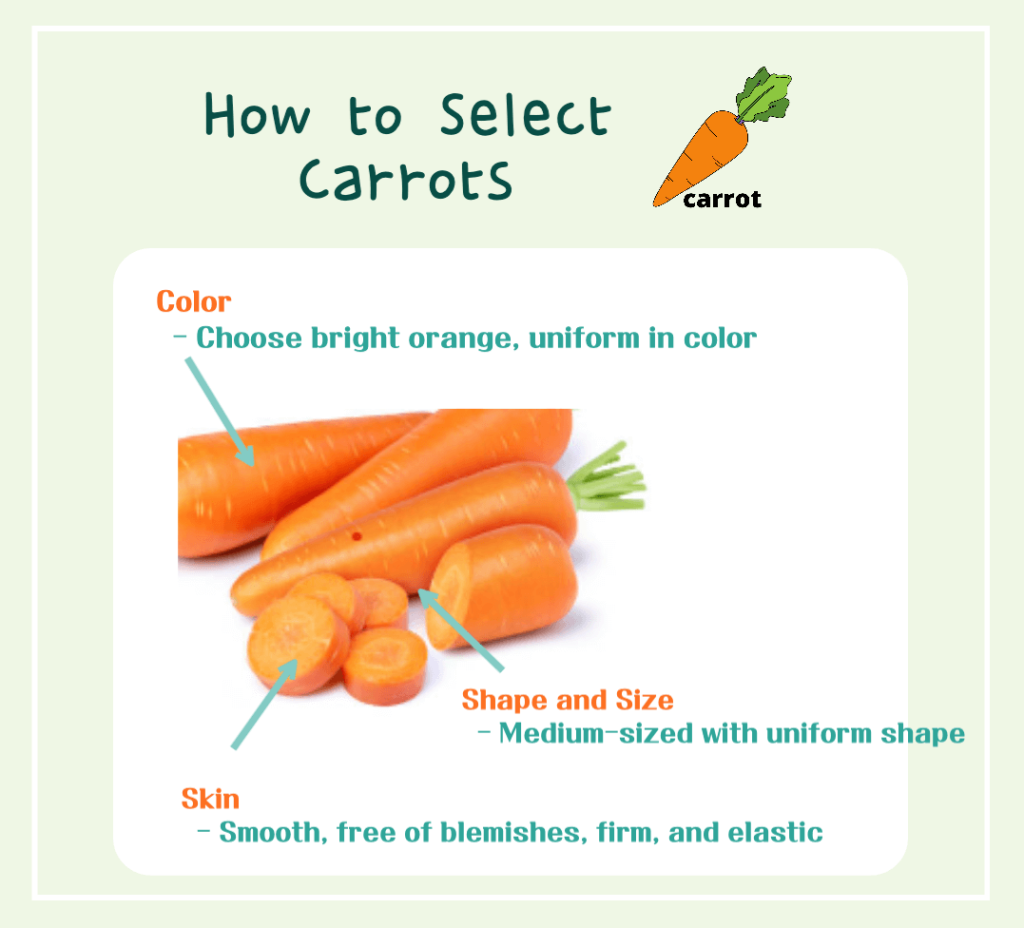
– Color:Choose carrots with a bright orange color; the brighter the color, the higher the beta-carotene content.
– Shape and Size:Select carrots that are uniformly shaped and of medium size for the best taste and texture.
– Skin:Look for smooth skin without blemishes; it should be firm and elastic.
How to Store Carrots
1. Storage Tips:To keep carrots fresh and preserve their nutrients
– Remove the tops and clean thoroughly.
– Refrigeration:The best storage temperature is 0-5°C.
– Use Airtight Containers:This prevents moisture loss and keeps them fresh.
– Freezing:Suitable for long-term storage. Slice thinly and blanch before freezing.
※Blanching:Helps preserve the color and nutrients of the carrots.
– Other Tips
① Wrap in a damp cloth or paper towel to maintain moisture.
② Store separately from other vegetables, particularly ethylene-producing fruits like apples and bananas.
Through The Magical Orange Vegetable! Carrot Benefits and Calories : The Health Secrets of Beta-Carotene post on the magical orange vegetable, we’ve explored the benefits, nutritional content, calories, seasonal availability, selection tips, and storage methods of carrots. I hope this post has provided you with more detailed knowledge about carrots.
Below are some posts that might interest you
It would be great to also check the calorie information for various foods.