Nutritional Treasure: The Benefits and Calories of Beef Liver - From Anemia Prevention to Skin Health
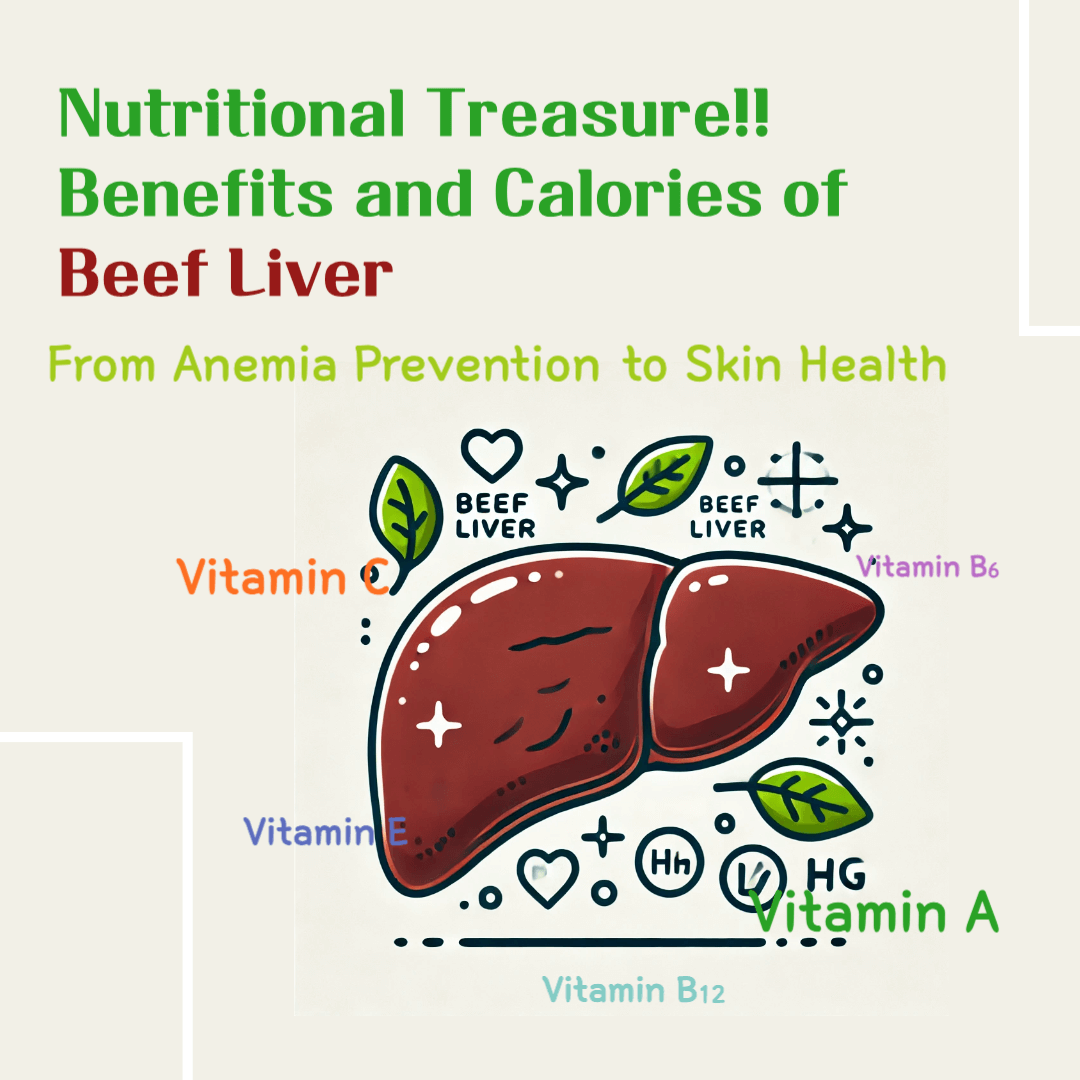
Through Nutritional Treasure: The Benefits and Calories of Beef Liver – From Anemia Prevention to Skin Health post, we will take a detailed look at the benefits, nutritional components, and calories of beef liver, as well as how to select and store it.
To describe beef liver in one sentence:
“A nutritional treasure trove, a healthy superfood.”
In ancient Egypt, beef liver was a favorite food among nobles and royalty. Egyptian physicians used it to protect eyesight and treat night blindness, benefits that modern science has confirmed through its rich vitamin A content. Today, many nutritionists praise it as a superfood, highlighting its various nutrients’ excellent health benefits.
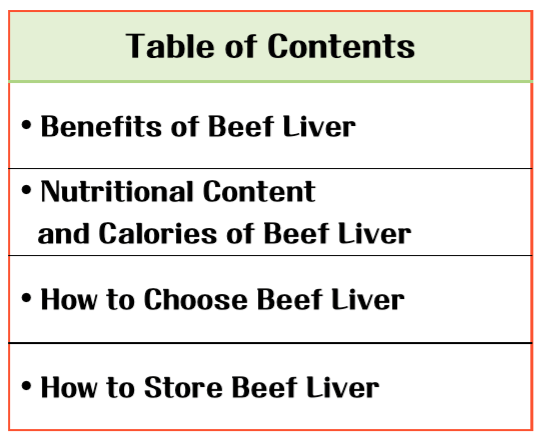
We’ve summarized the benefits, nutritional content, and selection tips for beef liver in an easy-to-understand manner with illustrations and tables.
Let’s get started.
Benefits of Beef Liver
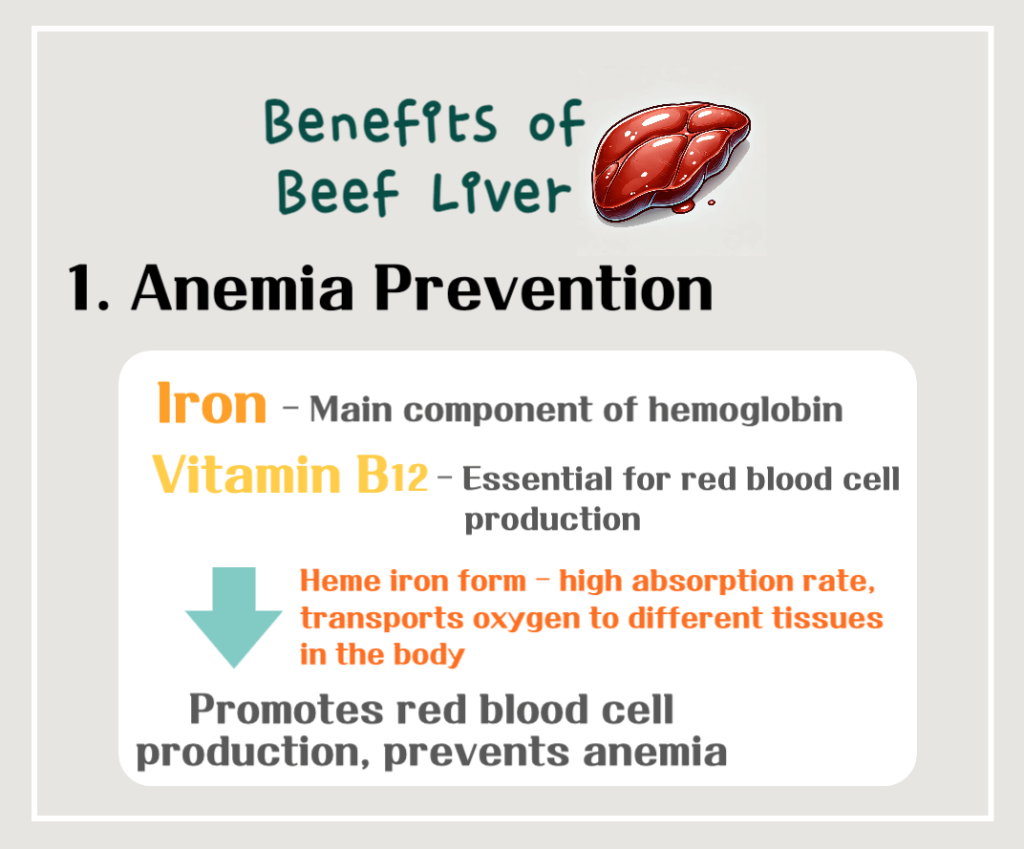
1. Prevention of Anemia
– Beef liver is a rich source of iron, a key component of hemoglobin, which helps prevent and treat iron-deficiency anemia. Additionally, it contains abundant vitamin B12, essential for red blood cell formation, preventing and treating megaloblastic anemia.
※Iron: Essential for the formation of hemoglobin in red blood cells, facilitating oxygen transport from the lungs to other tissues. The iron in beef liver is heme iron, which is more easily absorbed by the body than non-heme iron.
※Vitamin B12: Crucial for DNA synthesis and cell division, essential for red blood cell formation. A deficiency can lead to immature red blood cells (megaloblasts), causing anemia.
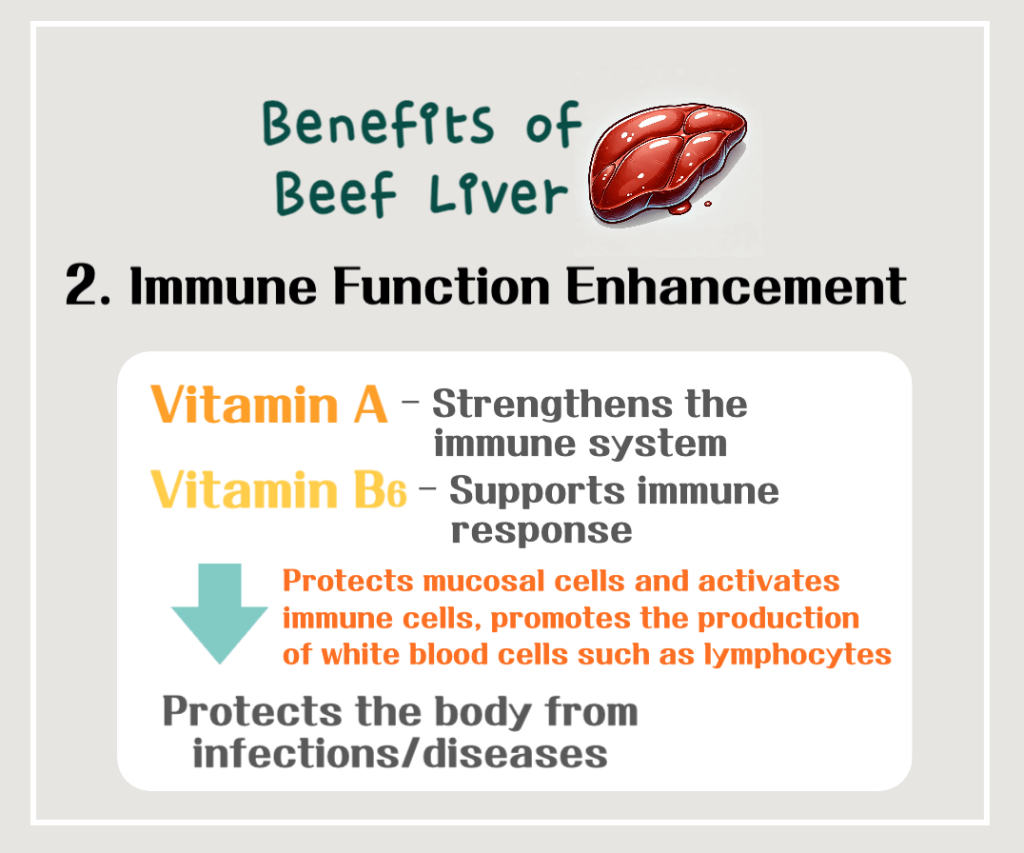
2. Immune Function Enhancement
– Beef liver is rich in vitamin A, which is crucial for the growth and maintenance of mucosal cells, and vitamin B6, which promotes the production of lymphocytes and other white blood cells, thus enhancing immune function.
※Vitamin A: Promotes the growth and maintenance of mucosal cells, supports the development and function of T cells and B cells.
※Vitamin B6: Acts as a coenzyme in antibody production, involved in white blood cell formation, particularly promoting lymphocyte production.
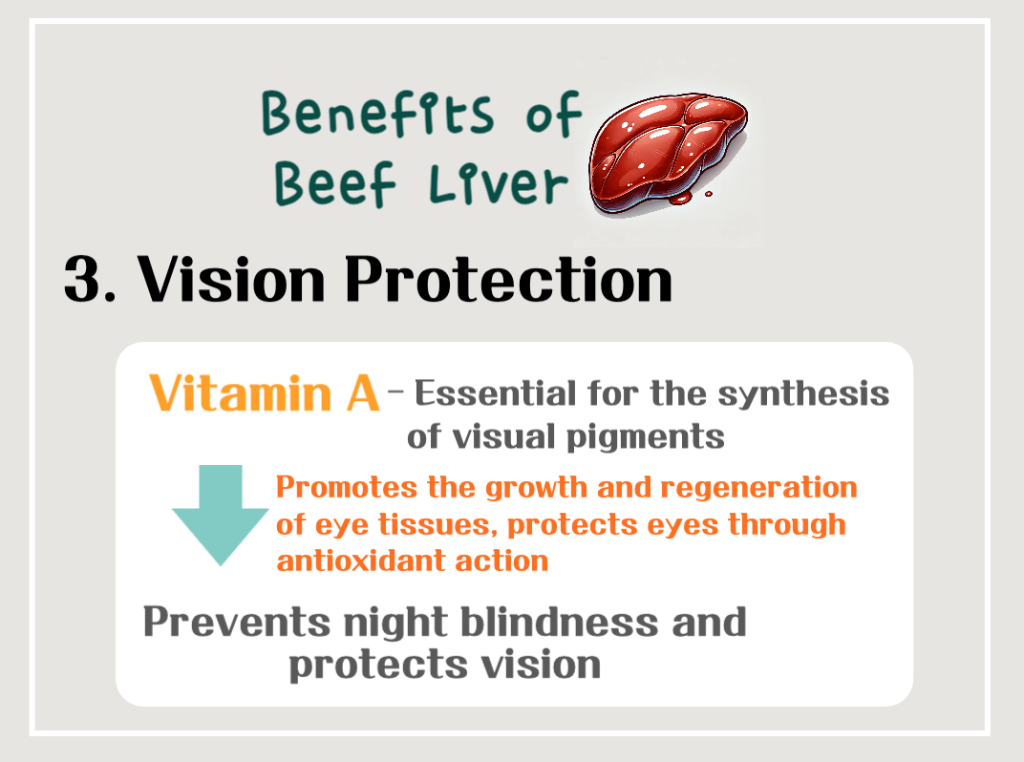
3. Vision Protection
– Beef liver is abundant in vitamin A, essential for the synthesis of visual pigments, promoting the growth and regeneration of eye tissues, and protecting the eyes through antioxidant actions.
※Vitamin A: Essential for the synthesis of rhodopsin (visual pigment) in the retina, maintains the health of conjunctival and corneal cells, and protects the eyes from free radical damage through antioxidant actions.
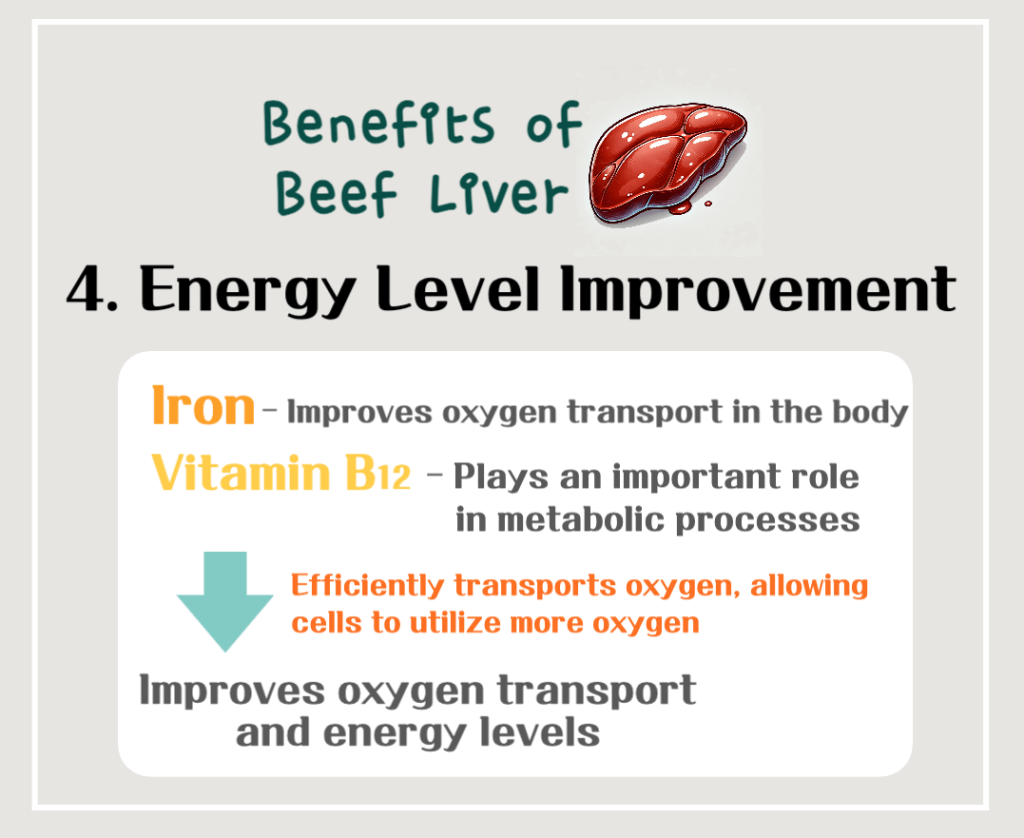
4. Energy Level Improvement
– Beef liver plays a vital role in enhancing energy levels through its rich content of iron, vitamin B12, and vitamin B6, which are crucial for metabolic processes and nervous system function.
※Iron: A key component of hemoglobin in red blood cells, essential for the oxygen-carrying capacity of red blood cells, and a critical component of enzymes involved in mitochondrial energy production
※ Vitamin B12: Essential for red blood cell formation, maintains nerve cell health, and improves nerve transmission speed for efficient nervous system function.
※Vitamin B6: Involved in protein and amino acid metabolism.
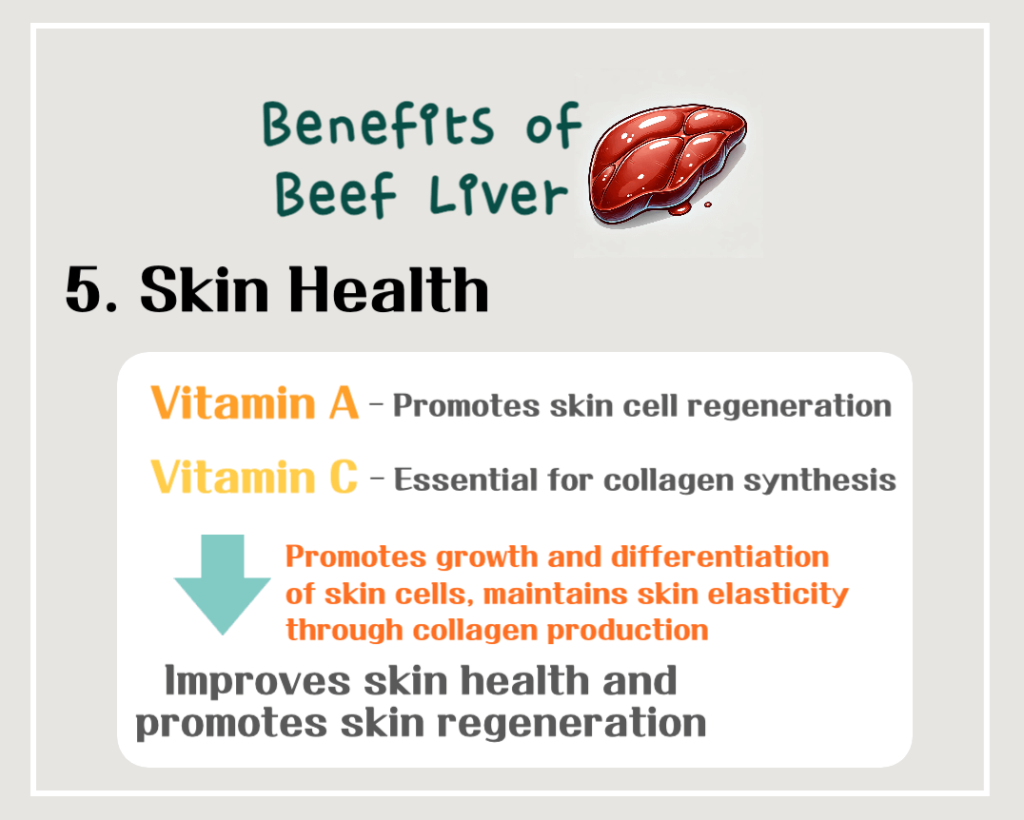
5. Skin Health
– Beef liver is rich in vitamin A, which promotes the growth and regeneration of skin cells, and vitamin C, which promotes collagen synthesis and has antioxidant properties, aiding in skin regeneration and health.
※Vitamin A: Promotes the growth and differentiation of skin cells, regulates sebaceous gland activity, and aids in the healing of wounds by promoting the regeneration of damaged tissues.
※Vitamin C: Essential for collagen production, a powerful antioxidant that protects skin cells from free radical damage.
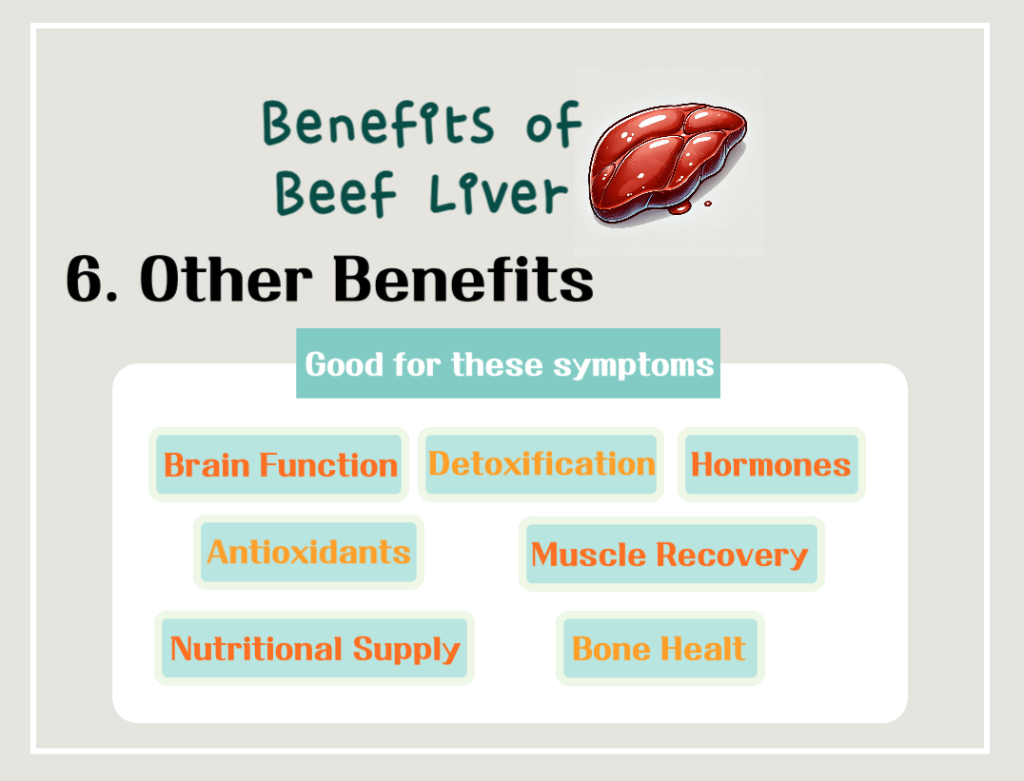
6. Additional Benefits
– Other Benefits: brain function, detoxification, hormones, antioxidants, muscle recovery, nutritional supply, bone health
※Brain Function: Beef liver is rich in vitamin B12, which maintains nerve cell health, and omega-3 fatty acids, which improve brain cell function and cognitive abilities.
※Hormonal Balance: Rich in selenium, which supports thyroid hormone production and metabolism, and zinc, which is essential for testosterone synthesis, helping to maintain hormone balance.
※Muscle Growth and Recovery: Beef liver is an excellent source of high-quality protein, supporting muscle tissue growth and recovery, and aiding in post-exercise repair.
※Detoxification: Glutathione in beef liver helps neutralize toxins and supports liver cell regeneration, promoting liver health.
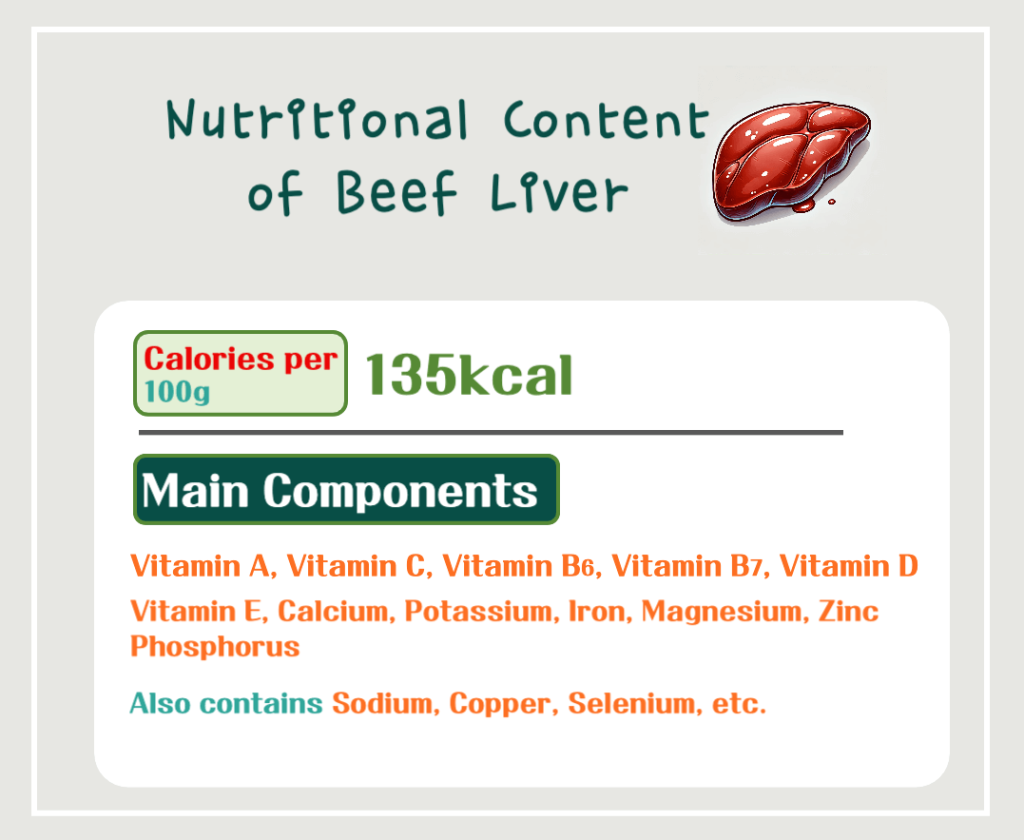
Nutritional Content and Calories of Beef Liver
– Beef liver contains 135 Kcal per serving.
– It is a low-calorie food rich in protein, various minerals, and essential vitamins, offering numerous health benefits as a ‘superfood’.
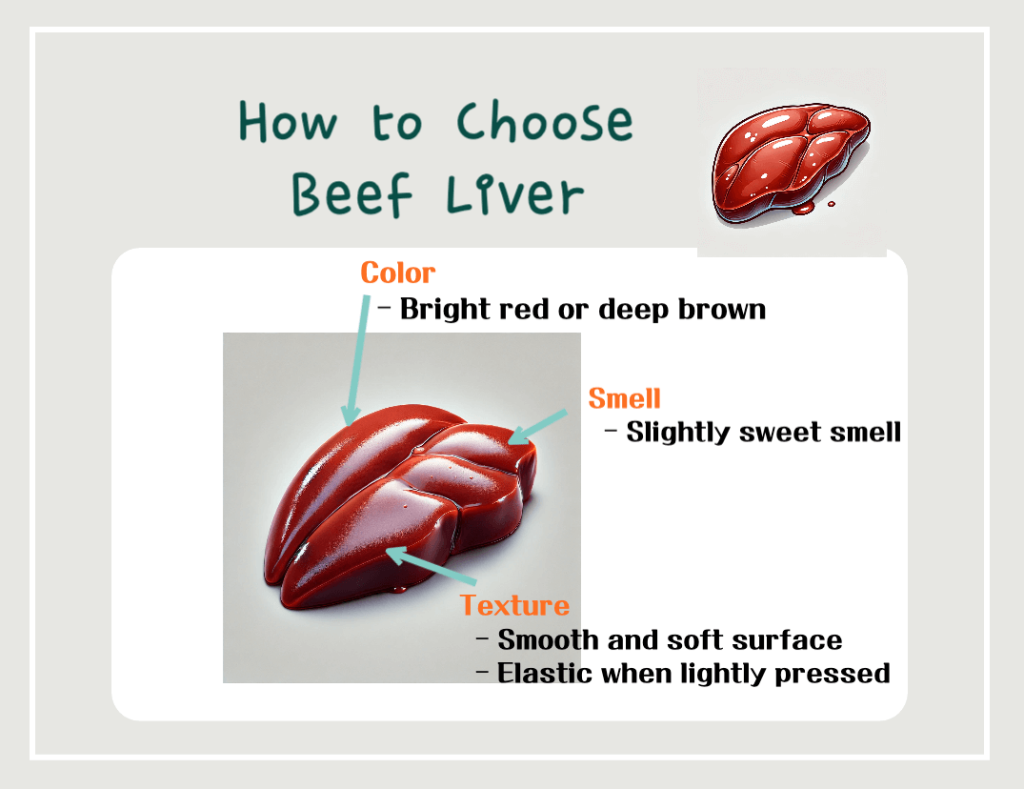
How to Choose Beef Liver
– Color: Fresh beef liver should be bright red or dark brown. Avoid liver that is gray or has a greenish tint, as it may be spoiled or not fresh.
– Texture: Look for a smooth and soft texture that feels elastic when lightly pressed. Avoid liver that is sticky or too soft, as it may not be fresh.
– Smell: It should have a slightly sweet smell typical of liver. Avoid liver with an ammonia smell or rotten odor.
How to Store Beef Liver
1. Storage Method
– It is important to choose fresh beef liver when purchasing.
– Portioning: If not using all at once, divide it into portions for storage.
– Refrigeration: Store in an airtight container or vacuum-sealed bag to prevent air exposure. Use within 1-2 days.
– Freezing: Portion the liver, place it in an airtight container or vacuum-sealed bag, and freeze. It can be stored for 3-4 months. Flattening the liver before freezing reduces thawing time and increases convenience.
Conclusion
In Nutritional Treasure: The Benefits and Calories of Beef Liver – From Anemia Prevention to Skin Health post, we have detailed the benefits, nutritional content, and calories of beef liver, along with how to select and store it. We hope this information helps you understand beef liver better.
Here are some related posts that you might find interesting.
It would be great to also check the calorie information for various foods.